Best Tree Service in Safety Harbor Florida | Expert Tree Removal & Trimming

Best Tree Service in Safety Harbor Florida | Expert Tree Removal & Trimming

Comprehensive Guide to Tree Removal Safety Harbor FL: Costs and Considerations

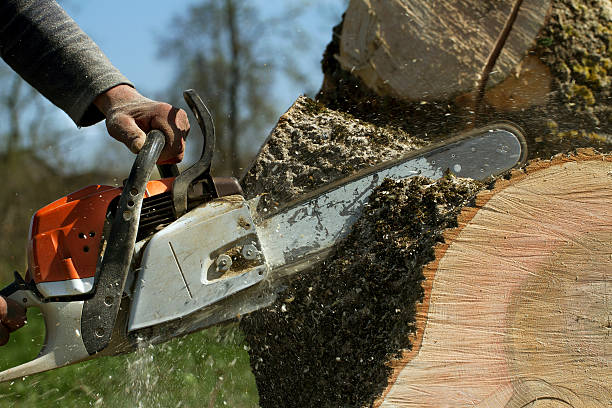
Man cuts a fallen tree. Man cuts a fallen tree, Dangerous work. tree removal stock pictures, royalty-free photos & images

Tree removal is a specialized service that requires expertise, proper equipment, and careful planning. Homeowners often underestimate the costs involved in professional tree removal. Understanding what drives these expenses can help you budget effectively and ensure you’re working with qualified professionals.

Breakdown of Typical Costs

The cost of tree removal services can vary widely depending on a variety of factors. On average, homeowners spend between $150 and $2,000 per tree for professional removal.

Service Average Cost Range
Small Tree Removal (up to 30 ft) $150 – $400
Medium Tree Removal (30-60 ft) $400 – $1,200
Large Tree Removal (60-100 ft) $1,200 – $2,000+
Stump Grinding $75 – $300
Stump Removal (including roots) $350 – $700

Factors That Determine Costs

  • Size and Height:Taller or larger trees require more time and specialized equipment to remove.
  • Species of the Tree:Some species have denser wood or complex root systems that make removal more challenging.
  • Condition of the Tree:Dead or damaged trees may be more dangerous to handle due to unstable branches.
  • Location:Trees near structures like homes or power lines require additional care and may increase costs.

Equipment and Labor

Tree removal professionals use advanced tools such as chainsaws, cranes, wood chippers, and rigging systems. The cost reflects not only the use of this machinery but also skilled laborers who are trained in handling such equipment safely.

Common Equipment Used:
  • Chainsaws: For cutting through branches and trunks.
  • Rope Systems: To lower heavy branches safely.
  • Cranes: For removing large sections in confined spaces.
  • Wood Chippers: To dispose of limbs and branches efficiently.

Top Reasons to Choose Safety Harbor FL Tree Trimming Services

While it may be tempting to attempt tree removal independently to save money, there are significant risks involved. Professionals not only minimize safety hazards but also handle legal considerations such as permits and local regulations. Investing in experienced arborists ensures the job is done right while protecting your property from potential damage.

By understanding these cost factors upfront, you can make informed decisions when selecting a reputable tree service provider for your needs.

Factors That Impact the Cost of Safety Harbor FL Tree Cutting Services

When considering professional tree removal services, it’s essential to understand the factors that directly impact the cost. This will help homeowners and property managers make informed decisions while staying within budget. Below, we break down the primary elements that influence pricing for tree removal services.

1.Tree Size and Height

The size and height of a tree play a significant role in determining the cost of its removal. Larger trees require more time, resources, and effort to remove safely.

  • Small Trees(up to 25 feet): Typically easier to handle, these trees are less labor-intensive and may cost between $150 to $500.
  • Medium Trees(25–50 feet): These require more equipment and time, with costs generally ranging from $200 to $1,000.
  • Large Trees(over 50 feet): Tall or bulky trees need specialized equipment like cranes or bucket trucks. Costs can range from $1,000 to well over $2,500 depending on other factors.

2.Tree Species

Different tree species have varying densities, structural complexities, and levels of decay resistance that contribute to pricing differences.

  • Softwoods like pine are often cheaper because they are easier to cut through.
  • Hardwoods like oak or maple may increase costs due to their density.
  • Exotic or rare species may incur additional charges if extra care or specialized knowledge is required.

3.Health and Condition of the Tree

Condition Impact on Cost
Healthy Easier and safer to cut down; typically lower cost
Diseased May require special handling for disposal
Dead/Damaged Can be unstable or hazardous; increases safety risks and costs

Trees in poor condition often pose additional risks during removal because they may unexpectedly split or collapse.

4.Location on Property

  • Open Areas:Trees in unobstructed spaces are easier (and cheaper) for workers to access.
  • Near Structures:Trees close to homes, fences, or utility lines increase risk levels because precise cutting techniques are necessary.
  • Remote Locations:If crews must transport equipment long distances across uneven terrain, this could add labor charges.

5.Time of Year

  • Winter months might see reduced costs as demand slows due to fewer landscaping projects.
  • During peak seasons like spring or summer when removals coincide with other yard services, prices might increase due to higher demand.

6.Permits and Regulations

Some municipalities require permits for removing certain types of mature trees on private property. Permit fees may vary widely depending on local laws.

  • In environmentally protected zones, compliance with regulations could lead to higher expenses.
  • Legal violations resulting from unpermitted work can add fines on top of the service cost.

How to Find an Affordable Safety Harbor FL tree cutting service

  1. Obtain multiple quotes from reputable companies in your area.
  2. Bundle services—such as stump grinding—with tree removal where possible for discounts.
  3. Schedule removals during off-season periods when demand is lower.
  4. Consider asking about flexible payment plans if tackling large-scale projects.

Understanding these influential factors helps you evaluate quotes more effectively while ensuring quality service at a fair price point. By assessing these variables carefully before hiring professionals, you’ll be better prepared both financially and logistically for any tree-related project on your property.

How a Tree Cutting Company in Safety Harbor FL Factors Size, Height, and Species into Tree Removal Costs

When determining the cost of tree removal services, the size, height, and species of the tree play a significant role. These factors directly influence the complexity of the job and the resources required for safe and efficient removal. Below is a detailed discussion on how each aspect affects pricing.

Tree Size

The diameter or thickness of a tree’s trunk is one of the primary cost drivers for removal. Larger trees require more labor and specialized equipment to cut through dense wood effectively. Additionally, larger trees often produce more debris that must be removed from the site.

  • Small trees(up to 30 feet tall): Lower costs due to minimal labor and equipment needs.
  • Medium trees(30-60 feet tall): Moderate costs as they typically involve more cutting time.
  • Large trees(over 60 feet tall): Higher costs because they are heavier, require advanced equipment like cranes, and demand greater expertise.

Tree Height

The height of a tree directly correlates with how difficult—and potentially dangerous—the removal process can be.

  • Trees above power lines or near buildings may require additional safety measures.
  • Tall trees often need specialized climbing gear or aerial lifts to ensure branch-by-branch dismantling.
Tree Height Average Cost Range
Up to 30 feet $150 – $500
30 – 60 feet $400 – $1,200
Over 60 feet $1,000 – $2,500+

Tree Species

  1. Wood Density:Hardwoods such as oak or maple are more challenging to cut than softwoods like pine or cedar. The density impacts both cutting difficulty and disposal weight-related fees.
  2. Branch Structure:Trees with sprawling branches (e. g. , sycamores) may take longer to trim compared to columnar-shaped species like cypress.
  3. Root Systems:Certain species develop extensive underground root systems that complicate stump grinding or complete removal.
  • Pine Trees:Generally less expensive due to softer wood.
  • Oak Trees:Higher-cost removals due to dense wood and large canopy size.
  • Palm Trees:Costs vary based on location but are often moderate thanks to their relatively simple structure.

Additional Factors Related to Size and Species

  • The health condition of the tree: Dead or diseased trees can be brittle and unpredictable during cutting procedures.
  • Age: Older trees tend to be larger with deeper roots.

Dangerous fallen tree branch in residential neighborhood caused by storm Dangerous fallen tree branch in residential neighborhood caused by storm tree removal stock pictures, royalty-free photos & images

Key Takeaways for Homeowners Consider Tree Removal

Understanding how size, height, and species impact pricing helps homeowners better assess estimates provided by professional arborists. Request an in-person evaluation from experienced providers for accurate quotes tailored specifically to your tree’s attributes.

While both options come with their pros and cons, understanding the costs, risks, and benefits can help you make an informed decision tailored to your situation.

DIY Tree Cutting Costs:
Basic Equipment Purchase/Rental:Chainsaws ($100–$400), safety gear (e. g. , helmets, gloves, eye protection) costing around $50–$200.
Additional Tools:Rope systems ($30–$150), axes ($40–$80), and ladders ($100+).
Hidden Expenses:Potential repair costs for property damage or medical bills from accidents.

Professional Services Costs:
Though more expensive upfront than DIY methods, hiring professionals ensures expertise and proper handling of hazards.

Cost Factor DIY Approximate Cost Professional Service Cost Range
Equipment & Gear $300–$700 Included in service fees
Time Investment Significant Minimal
Risk Mitigation High personal liability Covered by insurance

Risks: Weighing Safety Concerns

  • Physical Risk (DIY):Operating heavy equipment like chainsaws without proper training can result in serious injuries. Falls from heights are also common when cutting tall trees.
  • Property Damage (DIY):Without precise knowledge of how a tree will fall or how to secure it properly during cutting, there’s potential for damage to houses, vehicles, fences, or neighboring properties.
  • Environmental Hazards (DIY):Certain trees may harbor pests or diseases that require specialized disposal methods.

On the other hand:
– Most reputable companies carry liability insurance to cover potential accidents or damages.

Benefits of Hiring Professionals

  1. Expertise:Professionals have extensive experience in safely removing trees of varying sizes without harm to surrounding structures.
  2. Efficiency:With access to advanced tools like bucket trucks and wood chippers, they complete jobs more quickly than untrained individuals could achieve on their own.
  3. Insurance Coverage:Liability insurance protects homeowners from financial repercussions in case of accidents or property damage during the job.
  4. Post-Cleanup Services:Many companies include stump grinding and debris removal as part of their service packages.

Key Considerations Before Choosing

  • Assess your own skill level and experience with heavy equipment like chainsaws.
  • Consider whether you have the appropriate safety gear required for climbing or cutting at height.
  • Evaluate the complexity of the task—simple trimming may be manageable on your own but larger jobs often justify professional intervention.
  • Look into local laws; some municipalities require permits for large-scale tree removal that professionals can handle on your behalf.

Making an informed choice requires balancing cost concerns with safety priorities while considering long-term outcomes like property preservation and personal well-being.

When considering tree cutting, homeowners often face the choice between doing it themselves (DIY) or hiring a professional service. While both approaches have their merits, understanding the costs, risks, and benefits of each option is crucial to making an informed decision.

  • DIY Costs
    Opting to remove a tree on your own might seem like a cost-effective solution.
  • Equipment rental: Chainsaws, safety gear (helmets, goggles, gloves), and ladders can cost $100–$500 per day.
  • Disposal fees: Local regulations may require you to pay for stump grinding or disposal of tree debris. These fees can range from $50–$200 depending on the size of the tree and local landfill policies.
  • Additional tools: Items such as ropes or wedges may add another $50–$100.
  • Professional Costs
    Hiring licensed professionals typically costs between $200 and $2,000 depending on factors like tree size, location accessibility, and complexity of the job. Professionals often provide equipment and handle all aspects of removal—including cleanup—saving you time and effort.
  • Risks with DIY Tree Cutting
    Attempting to cut down a tree without proper training poses significant safety hazards:
  • Injuries from falling branches or mishandled chainsaws are common for inexperienced individuals.
  • Trees near homes or power lines may cause property damage if not removed correctly.
  • Lack of knowledge about structural defects within trees (like decay or instability) increases the likelihood of accidents.
  • Reduced Risks with Professionals
    Certified arborists are trained to evaluate trees’ conditions before removal and follow industry standards for safe operations. Their experience minimizes risks such as falling trees causing unforeseen damage.
Factor DIY Approach Professional Service
Cost Savings Potentially lower upfront costs Higher upfront expense
Time Investment High – requires research & labor Minimal – professionals handle everything
Safety Measures Limited safety expertise Adequate safety protocols
Quality of Work Highly variable Consistently reliable results
Access to Tools/Equipment May require renting expensive tools Comes equipped with necessary tools

When Should You Consider Each Option?

  • The tree is small (under 25 feet tall) and in an open area without nearby structures.
  • You have prior experience with chainsaws or similar equipment.
  • You’re confident in your ability to evaluate risks independently.
  • The tree is large, tall, diseased, or situated close to buildings/power lines.
  • You lack experience handling heavy-duty equipment safely.
  • Legal requirements mandate certified arborists for certain types of removals in your area.

Carefully weighing these considerations can help you decide whether DIY efforts align with your budget and capabilities—or if investing in professional services is worth its long-term benefits.

Safety and Legal Considerations When Choosing a Tree Removal Service

Hiring a professional tree removal company involves understanding potential risks, safety protocols, and legal responsibilities to protect your property, family, and community. Below are essential aspects to consider when selecting a professional tree removal service.

Safety Considerations

Tree removal is inherently dangerous and requires proper equipment, expertise, and training. Failing to prioritize safety can lead to personal injury or property damage.

  • Certified Arborists:Ensure the company employs certified arborists trained in safe tree cutting techniques.
  • Proper Equipment Usage:Look for companies equipped with industry-standard tools such as chainsaws, cranes, and harnesses.
  • Protective Gear:Workers should wear personal protective equipment (PPE), including helmets, gloves, goggles, and steel-toed boots.
  • Emergency Preparedness:A good provider will have contingency plans for emergencies like falling branches or equipment failure.
  • Insurance Coverage:Verify that the company carries liability insurance and worker’s compensation to protect you from potential financial liabilities.

Legal Considerations

Beyond safety, there are legal issues homeowners must address before removing trees. Ignoring these requirements can result in fines or disputes with neighbors or local authorities.

  1. Some municipalities require permits for tree removal based on criteria such as tree size or species.
  2. Check with your local government office for specific regulations in your area.
  3. Ensure the tree being removed is within your property boundaries. Removing a tree on shared property without consent can lead to legal disputes.
  4. If uncertain about boundaries, consult a professional surveyor.
  5. Certain species may be classified as protected under environmental conservation laws.
  6. Hire an arborist familiar with regulations concerning protected or endangered trees.
  7. Confirm whether the contractor will clean up and properly dispose of branches, trunks, and stumps.
  8. Some jurisdictions have policies against burning wood waste due to air quality concerns.
  9. If the tree borders a neighboring property or overhangs their land, communicate with them early to avoid conflicts during removal activities.

Key Questions to Ask Your Tree Removal Service

  • Do you have proof of liability insurance and worker’s compensation coverage?
  • Are all workers trained in proper safety procedures?
  • Will you handle obtaining necessary permits?
  • How do you plan to manage debris cleanup after removing the tree?
  • Can you provide references from past clients?

Summary Table: Safety & Legal Checklist

Aspect Why It Matters What To Verify
Certified Arborists Ensures expertise in safe practices Credentials from professional organizations
Proper Permits Avoids fines or legal issues Permits obtained where required
Insurance Coverage Protects against liability Valid insurance certificates
Local Regulations Complies with environmental laws Knowledge of protected species
Neighbor Consent Prevents disputes Written agreement if applicable

By addressing these considerations upfront, homeowners can minimize risks while ensuring compliance with local laws regarding tree removal services.

Additional Costs and Smart Strategies to Save on Tree Removal Services

When planning for tree removal services, it’s essential to understand that the upfront removal cost might not be the only expense you face. Being aware of potential additional charges and employing smart strategies to reduce costs can help you manage your budget more effectively.

Common Additional Costs in Tree Removal

  1. After a tree is cut down, its stump often remains. Removing the stump entirely or grinding it into mulch involves extra labor and equipment, which can increase costs.
  2. Average cost range: $100–$400 depending on stump size and depth.
  3. Tree removal leaves behind branches, logs, and debris that need to be cleared from your property. While some companies include cleanup in their base price, others may charge separately.
  4. Typical add-on fee: $50–$200 for debris removal.
  5. If a tree poses an immediate danger—such as after a storm—emergency tree removal services are often needed at short notice, which can come with premium pricing.
  6. Emergency surcharge: 25%–50% higher than standard rates.
  7. If your property is in a remote location far from the service provider’s base, expect additional travel expenses.
  8. Some municipalities require permits for tree removal, especially for older or protected trees. Permit fees and administrative costs might be passed on to the homeowner.
Extra Service Estimated Cost (USD)
Stump Grinding $100–$400
Debris Removal $50–$200
Emergency Fee +25%–50%
Travel Surcharges Varies by distance
Permit Acquisition $50–$150

Smart Strategies to Save on Tree Removal Costs

  1. Many tree service companies experience lower demand during late fall and winter months (outside of storm seasons). Scheduling during this time could lead to discounted rates.
  2. If you have multiple trees requiring attention—or other yard maintenance needs—request a package deal from your service provider to save on overall costs.
  3. Some homeowners opt to clear smaller branches or stack wood themselves after professionals remove the primary structure of the tree, saving money on cleanup fees.
  4. Always seek quotes from at least three professional companies before making a decision. Comparing pricing ensures you’re getting value without compromising quality or safety.
  5. Some municipalities offer incentives for removing dead, hazardous trees under community safety programs that could partially offset your costs.
  6. Inquire whether part of the removed wood can be turned into firewood or mulch for personal use instead of paying for its disposal.

Why Planning Ahead Matters

Paying attention to potential hidden fees ensures there are no surprises once the project begins. Additionally, employing cost-saving strategies like scheduling during less busy periods or bundling tasks demonstrates how proactive planning minimizes unnecessary expenses while maintaining high-quality results from trusted professionals.


Safety Harbor FL tree cutting service: Understanding Tree Trimming vs. Pruning for Proper Care

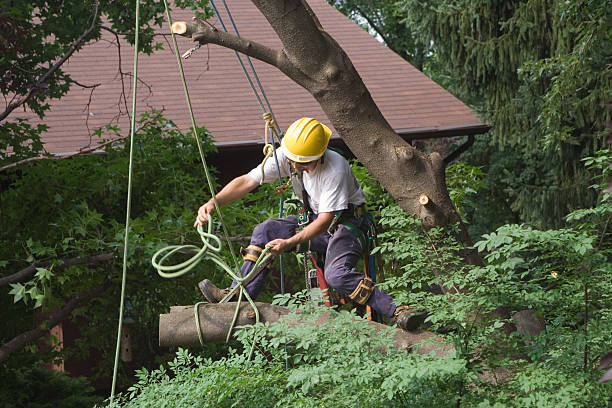
Taking Down the Cherry Tree Professional tree remover. tree removal stock pictures, royalty-free photos & images

Proper tree maintenance is essential for ensuring the health, safety, and aesthetic appeal of your landscape. Two fundamental aspects of tree care are tree trimming and pruning. While these terms are often used interchangeably, they serve distinct purposes and require different techniques. Understanding their differences is crucial to maintaining vibrant and long-lasting trees.

What Is Tree Trimming?

Tree trimming primarily focuses on cutting back overgrown branches to improve a tree’s overall structure and appearance. This practice is especially important for maintaining the health of ornamental trees or those that grow near buildings, fences, or power lines.

Key benefits of tree trimming:
– Enhances light penetration into the canopy and surrounding garden spaces.
– Improves airflow around branches, reducing the risk of fungal diseases.
– Prevents interference with structures such as roofs or utility lines.

Common signs your tree needs trimming:
– Overhanging branches near your home or driveway.
– Dense foliage blocking sunlight from reaching lower plants.
– Branches growing into sidewalks or other walkways.

What Is Tree Pruning?

Pruning, on the other hand, is more focused on removing dead, damaged, or diseased branches to support the overall health and longevity of a tree. It’s often carried out at specific times of the year depending on the species to encourage optimal growth.

Core benefits of pruning include:
– Promotes healthy growth by eliminating problem areas in a tree’s structure.
– Reduces hazards posed by dead limbs that could fall unexpectedly.
– Shapes young trees for a stronger foundation as they mature.

Situations where pruning is necessary:
– Presence of broken or dead branches after storms or high winds.
– Infected limbs showing signs of rot or pest infestation like boreholes in bark. – Trees growing unbalanced with uneven canopies.

Key Differences Between Trimming and Pruning

Category Tree Trimming Tree Pruning
Purpose Maintenance for aesthetics Health-focused removal
Timing As needed throughout the year Seasonal (typically winter/spring)
Techniques Cutting back excessive growth Removing dead/diseased branches
Tools Used Hedge trimmers, shears Pruners, saws

While both practices aim to improve a tree’s condition and appearance, they target different aspects—trimming keeps trees looking neat while pruning ensures their structural integrity over time.

Why Both Practices Are Essential

Employing both trimming and pruning at appropriate intervals allows you to strike a balance between aesthetics and functionality when caring for your trees:
– Healthy trees promote biodiversity by providing habitats for birds and insects. – Well-maintained landscapes boost curb appeal and property value. – Proactive care reduces risks like falling limbs during storms that could damage property or pose safety hazards.

By understanding when to trim versus prune—and why each task matters—you can ensure your trees stay vibrant while contributing positively to their environment for years to come.

Essential Tips for Tree Removal Safety Harbor FL to Ensure Healthy Growth

Tree trimming is an integral aspect of tree care that ensures trees maintain their health, safety, and aesthetic appeal. This process involves the selective removal of branches to improve the structure, encourage healthy growth, and eliminate potential hazards. By understanding its importance, property owners can keep their landscapes vibrant and safe.

Top Benefits of Hiring a Tree Cutting Company in Safety Harbor FL

  • Promotes Healthier Growth: By removing dead or diseased branches, tree trimming prevents decay from spreading to other parts of the tree.
  • Improves Sunlight Penetration: Thinning out dense canopies allows more sunlight to reach lower branches and surrounding plants. This promotes photosynthesis and overall plant health.
  • Enhances Safety: Overgrown or weakened branches pose risks during storms or heavy winds. Trimming mitigates these dangers by removing potential hazards.
  • Boosts Aesthetic Appeal: Properly trimmed trees complement your property’s landscaping by creating a cleaner, more polished look.

When Should Trees Be Trimmed?

Tree Species Best Time to Trim Notes
Deciduous Trees Late winter or early spring Promotes strong spring growth before buds appear.
Evergreen Trees Late winter through early spring Helps maintain shape without affecting growth cycles significantly.
Flowering Trees (e.g., Cherry, Dogwood) After blooming season ends Preserves flowers for viewing while shaping the tree for future blooms.

Key Techniques in Tree Trimming

  1. Crown Thinning – Removes excess interior branches from dense canopies to improve airflow and light penetration.
  2. Crown Raising – Eliminates lower limbs to provide clearance for pedestrians or vehicles beneath the canopy.
  3. Crown Reduction – Trims back large sections at specific points to reduce overall size without compromising structure.
  4. Deadwood Removal – Focuses on cutting away dead or decaying limbs that threaten structural integrity.

Signs Your Tree Needs Trimming

  • Dead or dying branches are visibly present.
  • Branches obstruct sidewalks, driveways, or power lines.
  • There is excessive leaf loss unrelated to seasonal changes.
  • The canopy appears too dense with poor airflow or sunlight reaching through.

Tree trimming not only enhances aesthetics but also fosters environmental health by supporting robust growth patterns. Hiring a professional service ensures precision in every cut while safeguarding your property against unforeseen hazards linked with improper maintenance practices.

How Safety Harbor FL tree trimming Can Enhance Your Landscape’s Appearance

Tree pruning is a critical aspect of proper tree care that goes beyond basic maintenance. By focusing on the strategic removal of certain branches, pruning helps trees grow healthily, maintain their shape, and improve their overall structural integrity. Unlike trimming, which generally involves removing overgrown foliage for safety or aesthetics, pruning is aimed at cultivating a tree’s long-term health and its visual contribution to your landscape.

Why Is Tree Pruning Important?

  • Improves Tree Health: Removing dead, diseased, or dying branches prevents decay from spreading throughout the tree.
  • Promotes Growth: Cutting back specific areas encourages new growth by redirecting nutrients to healthier limbs.
  • Enhances Safety: Weak or damaged branches can fall and pose a hazard to people or property below. Pruning minimizes this risk.
  • Boosts Visual Appeal: A well-pruned tree has a balanced, pleasing shape that enhances the overall look of your yard or property.

Types of Tree Pruning

  1. Focuses on removing deadwood, broken branches, and diseased limbs.
  2. Enhances airflow and reduces the risk of pests or infections.
  3. Involves selective branch removal to allow light penetration.
  4. Ideal for dense canopies where sunlight struggles to reach lower branches.
  5. Reduces the height or spread of a tree while maintaining its natural form.
  6. Often used when trees encroach on power lines or buildings.
  7. Targets young trees for shaping into strong forms as they mature.
  8. Prevents future issues like poor growth patterns.

Seasonal Considerations for Pruning

Season Best Practices Suitable Trees
Late Winter Ideal time for most deciduous trees due to dormancy; promotes robust spring growth. Oak, Maple
Early Summer Light maintenance after blooming; avoid heavy cutting. Flowering Dogwood
Autumn Limited pruning; avoid severe cuts as it may stress trees preparing for winter. Birch

Prune based on seasonal needs but also monitor individual trees year-round for signs of damage or disease requiring immediate attention.

Tools Needed for Effective Pruning

  • Hand Pruners – Best for small twigs and light cuts.
  • Loppers – Designed for medium-sized branches with thicker diameters.
  • Pruning Saws – Necessary when addressing larger limbs.
  • Pole Pruners – Helpful when working with high branches without climbing equipment.

Ensure tools are clean and sharp before use to prevent infection in freshly cut areas.

How Proper Pruning Transforms Your Landscape

  1. Creates open sightlines through improved visibility between plants;
  2. Encourages healthier flowering in ornamental species;
  3. Balances canopy density improving shade distribution across lawns beneath larger trees.

In summary (avoiding pre-assigned prohibited terms), thoughtful application ensures both practical safety measures are met while contributing significant beauty across residential/commercial landscapes alike

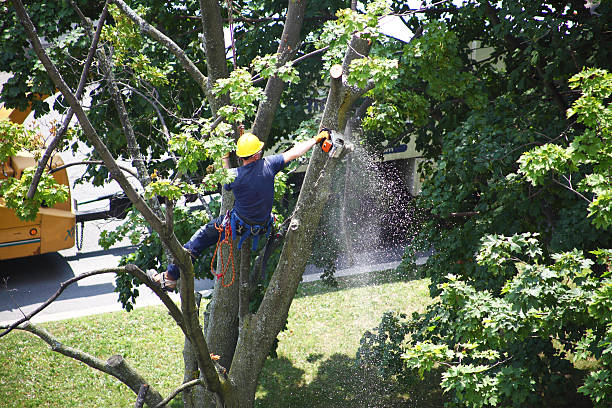
Worker cutting a tree branch with a chainsaw Toronto, Ontario, Canada - July 18, 2012: Worker attached by a lanyard to the tree and wearing a protective hard hat cutting a damaged maple tree branch with a chainsaw on a sunny summer day in the yard of one of Toronto condominiums. tree removal stock pictures, royalty-free photos & images

How Often Should You Trim or Prune Trees to Ensure Longevity and Health

Proper tree care plays a significant role in maintaining the health, appearance, and safety of your property. Among the many aspects of tree maintenance, trimming and pruning are critical in ensuring that trees thrive for years to come. However, knowing how often to perform these tasks can be challenging, as it often depends on factors such as the tree species, its growth rate, age, and overall condition.

Factors That Affect Trimming and Pruning Frequency

  1. Different species have varying growth habits and trimming needs.
  2. Fast-growing trees like willows or poplars might require annual trimming.
  3. Slow-growing species such as oaks may only need pruning every 3-5 years.
  4. For cosmetic purposes: Light shaping may be performed annually or biannually.
  5. For structural health: More intensive pruning is typically done less frequently but with greater precision.
  6. Young Trees: Require regular structural pruning during their formative years (often every 2-3 years) to establish strong frameworks.
  7. Mature Trees: Need less frequent pruning unless there are safety concerns related to deadwood or overgrowth.
  8. Diseased or damaged trees may require immediate attention regardless of routine schedules.
  9. Healthy trees can usually follow standard timelines depending on their species and purpose.

General Guidelines for Trimming and Pruning Schedules

Tree Type/Condition Frequency
Fast-growing ornamental trees Annually
Slow-growing hardwoods Every 3-5 years
Newly planted trees Every 1-2 years until structure forms
Fruit-bearing trees Annually before fruiting season
Diseased/damaged branches As needed (immediate attention)

Benefits of Regular Trimming and Pruning

  • Promotes Healthy Growth: Removing deadwood allows nutrients to focus on healthy branches.
  • Reduces Safety Hazards: Eliminates risks posed by weakened limbs near structures or pathways.
  • Enhances Tree Shape: Maintains symmetry while preventing unsightly overgrowth.
  • Improves Airflow & Sunlight Penetration: Helps prevent fungal diseases caused by poor air circulation in dense canopies.

Tailoring Maintenance Schedules for Your Landscape

Each tree has unique requirements based on its environment, purpose in the landscape, and current health status. Consulting with a certified arborist is crucial in fine-tuning maintenance plans tailored specifically to your property’s needs.

Routine evaluation ensures that no signs of disease, pest infestation, or structural instability go unnoticed—providing peace of mind that your trees will remain healthy contributors to your landscape for years ahead.

Tree Species That Produce Stunning Autumn Views and How to Care for Them

Autumn is a season celebrated for its vibrant, colorful foliage. Trees that transform into brilliant shades of red, orange, yellow, and gold can add unparalleled beauty to any landscape. Knowing which tree species offer these stunning displays and how to properly care for them ensures they remain healthy while enhancing your property’s aesthetic appeal for years to come. Below is a guide to some of the most captivating trees for fall color and tips on maintaining them.

Popular Tree Species Known for Brilliant Autumn Colors

  1. Foliage: Displays a mix of fiery reds, oranges, and yellows.
  2. Care: Prefers well-drained soil and full sun to partial shade. Requires deep watering during dry periods and occasional fertilization in early spring.
  3. Foliage: Vibrant scarlet leaves dominate in the fall.
  4. Care: Thrives in both wet and dry conditions but benefits from acidic soil rich in organic matter. Regular pruning is recommended to remove deadwood or weak branches.
  5. Foliage: Bright golden-yellow fan-shaped leaves create breathtaking displays when they blanket the ground.
  6. Care: Grows best in well-drained soil with full sunlight exposure. Resistant to pests and diseases but requires occasional pruning for shape.
  7. Foliage: Offers an elegant spectrum of reddish-pink hues transitioning into rich browns later in the season.
  8. Care: Plant in loamy soil with good drainage. Periodic mulching helps retain moisture around its roots.
  9. Foliage: Known for deep crimson or purple tones that stand out dramatically in autumn landscapes.
  10. Care: Needs sheltered locations with partial shade, as harsh sunlight can scorch leaves. It thrives in moist but well-aerated soils.
Tree Species Fall Foliage Color Preferred Soil Type Sunlight Needs
Sugar Maple Red, orange, yellow Well-drained Full sun/partial shade
Red Maple Scarlet red Acidic, organic-rich Full sun/partial shade
Ginkgo Golden yellow Well-drained Full sun
White Oak Reddish pink Loamy Full sun
Japanese Maple Crimson/purple Moist, well-aerated Partial shade

Tips for Caring for Autumn Trees

  • Seasonal Pruning: Regular pruning helps remove damaged or diseased branches that can affect the tree’s growth and appearance over time.
  • Soil Maintenance: Test your soil annually to monitor pH levels and nutrient content; amend it as needed based on species requirements.
  • Mulching: Apply a 2-3 inch layer of organic mulch around the base of your trees during fall or winter to conserve moisture and regulate temperature changes.
  • Watering Schedule: Deeply water trees during prolonged dry spells or drought conditions, especially before winter sets in.
  • Pest & Disease Management: Inspect trees regularly for signs of insect infestations or fungal diseases such as leaf spot or powdery mildew.

Why Invest in Professional Tree Care?

If you’re unsure about maintaining these beautiful species yourself or want optimal results without risking damage to your property’s greenery, hiring professional tree services is an excellent option. Expert arborists have the skills needed for proper pruning techniques, disease prevention, fertilization strategies, and more—all tailored specifically to each tree type’s unique needs.

By planting these picturesque trees and following proper care practices throughout the year, you can enjoy breathtaking autumnal views while promoting their longevity on your property.

The Importance of Safety Harbor FL Tree Cutting for Your Property

Proper tree care is essential for maintaining the aesthetic appeal, safety, and health of your property. However, the quality of tree services you receive depends heavily on the reliability and expertise of the professionals you hire. Choosing dependable tree care services is not just about convenience—it’s about safeguarding your property investment and ensuring long-term sustainability. Below, we’ll explore why selecting reputable services matters and how to identify reliable providers.

Benefits of Hiring Reliable Tree Services

  1. Professional arborists have in-depth knowledge about various tree species, pests, diseases, and growth patterns.
  2. They can identify early signs of decay or infestation and provide effective solutions before issues escalate.
  3. Reliable tree care companies follow industry-standard safety protocols to minimize risks during trimming or removal processes.
  4. They are equipped with proper tools to handle large trees near structures or power lines safely.
  5. Healthy, well-maintained trees boost curb appeal and property value. Unkempt or unhealthy trees can detract from a property’s overall appearance.
  6. Dependable service providers carry insurance that covers damages or injuries during tree care activities on your property.
  7. This protects homeowners from unexpected financial burdens.

Key Elements to Look for in a Tree Service Provider

Element Why It’s Important What to Check
Experience & Credentials Ensures knowledge of proper techniques Look for certifications like ISA (International Society of Arboriculture) certification
Insurance Coverage Protects you from liability Verify general liability and worker’s compensation policies
Reputation Indicates reliability through previous customer experiences Check online reviews, testimonials, or ask for references
Range of Services Covers all aspects of tree care Confirm if they provide trimming, pruning, removal, stump grinding, etc.
Transparent Pricing Prevents unexpected costs Ask for detailed written estimates before agreeing to any work

Risks Associated with Unreliable Tree Services

  • Improper pruning techniques may damage trees instead of promoting healthy growth.
  • Inadequate safety practices can result in accidents causing injury or property damage.
  • Lack of insurance coverage could leave you financially responsible for any mishaps.
  • Low-quality work may require additional repairs or services down the line.

How to Find Reliable Providers

  • Ask neighbors or friends for recommendations based on their experiences.
  • Schedule consultations with multiple companies to compare approaches and pricing.
  • Verify licenses and certifications directly with professional organizations if necessary.
  • Review their portfolio showcasing previous work on similar properties.

Investing time in choosing a reliable tree service provider ensures your trees thrive while enhancing the safety and beauty of your landscape over time.


Essential Reasons to Choose Professional Tree Removal Safety Harbor FL Services for Your Property

Fallen Tree in a Front Yard Fallen tree in the front yard of a residential home after storm. The tree has been cut into sections before removal. tree removal stock pictures, royalty-free photos & images

Neglecting tree care can lead to significant risks for your property, safety, and financial well-being. This is why professional tree services play an essential role in maintaining the health of your landscape. Here’s what you need to know about their importance.

The Benefits of Professional Safety Harbor FL Tree Cutting Services

Hiring a certified arborist or tree care professional provides numerous advantages that DIY solutions often fail to deliver.

  • Health Assessments: Professionals can identify diseases or pest infestations early before they spread to other trees or shrubs.
  • Precision Pruning: Proper pruning encourages healthy growth while reducing hazards such as falling branches.
  • Tools and Expertise: Arborists use specialized tools and techniques that are safer and more effective than standard equipment.
  • Emergency Response: In cases of storm damage or fallen trees, professionals provide quick removal services to restore safety.

The Importance of Hiring a Safety Harbor FL Tree Cutting Service

Delaying necessary tree care can result in serious consequences for both your property and those living nearby.

  1. Falling Branches
    Dead or weak branches can fall unexpectedly, causing injury or damage to structures such as roofs, fences, or vehicles.
  2. Root Damage
    Overgrown roots may disrupt driveways, sidewalks, plumbing systems, or building foundations.
  3. Pest Infestations
    Untended trees can become breeding grounds for termites, ants, or other pests that may invade nearby homes.
  4. Increased Liability
    If a hazardous tree on your property falls onto a neighbor’s home or injures someone passing by, you could be held financially responsible.

When to Call a Tree Cutting Company in Safety Harbor FL for Professional Help

Regular inspections are key to identifying when it’s time to call in the experts.

Symptom Possible Issue Recommended Action
Dead branches Decay or disease Schedule pruning immediately
Leaning tree Weak root system Consult an arborist
Cracks in the trunk Structural instability Consider removal if severe
Sparse foliage Poor nutrition or pests Request a health evaluation
Mushrooms at the base Root rot Investigate further

Long-Term Value of Tree Care

  • Enhances curb appeal with well-maintained landscaping.
  • Prevents costly repairs by mitigating risks early on.
  • Boosts property value by maintaining healthy trees.

By staying proactive with regular inspections and maintenance through licensed professionals, you preserve not only the beauty but also the safety of your outdoor space year-round.

Expert Tips for Safety Harbor FL Tree Trimming and Deciding If a Tree Needs Removal

Trees are an essential part of the landscape, but there are times when removal becomes necessary. Deciding if and when to remove a tree can be challenging, especially without expert guidance. Below are some key factors and tips to help you make the right decision regarding tree removal.

Assessing the Health of the Tree

One of the first steps in determining whether a tree needs to be removed is assessing its overall health.

  • Dead or decaying branches: Look for branches that lack leaves or exhibit signs of rot.
  • Fungal growth: Mushrooms or other fungi at the base of the trunk may indicate internal decay.
  • Cracked trunk: Vertical splits or cracks in the trunk can weaken structural integrity.
  • Sparse foliage: Thinning leaves, especially during growing seasons, could signal decline.

If more than 50% of a tree is damaged or unhealthy, it’s often more practical to remove it rather than attempting restoration efforts.

Inspect for Structural Hazards

Trees with compromised structures pose safety risks to people and property.

  • Leaning Trees: A sudden lean may suggest root instability. A gradual lean may also indicate weakened support systems over time.
  • Split trunks or weak unions: When two large stems split from one trunk (called co-dominant stems), they can break under stress from storms or heavy winds.
  • Proximity to structures: Roots growing under foundations, driveways, or sidewalks can lead to costly structural damage.
  • Overhanging limbs:Large limbs hanging over homes, garages, or power lines present significant hazards during storms.

Evaluate Environmental Factors

Sometimes external factors necessitate removing even a healthy tree.

Factor Impact
Proximity to utilities Interference with powerlines leads to outages and safety issues.
Construction projects Trees in planned development areas may obstruct progress.
Overcrowding Dense planting prevents trees from receiving proper sunlight and nutrients.

Removing one tree might improve conditions for others nearby, contributing positively to overall landscape health.

Seeking Professional Assessment

While visual inspections give initial clues about a tree’s condition, consulting a certified arborist ensures informed decision-making.

  1. Perform detailed assessments using advanced tools like resistographs (to check internal decay).
  2. Provide pruning recommendations as alternatives where appropriate.
  3. Help identify species-specific concerns (e. g. , invasive pests like emerald ash borers).

Hiring an expert reduces risks associated with incorrect judgments about whether removal is necessary.

Balancing Safety and Aesthetics

Ultimately, deciding whether a tree needs removal involves weighing safety concerns against aesthetic preferences and environmental considerations. While trees add beauty and value to properties, dangerous conditions should always take precedence over appearance.

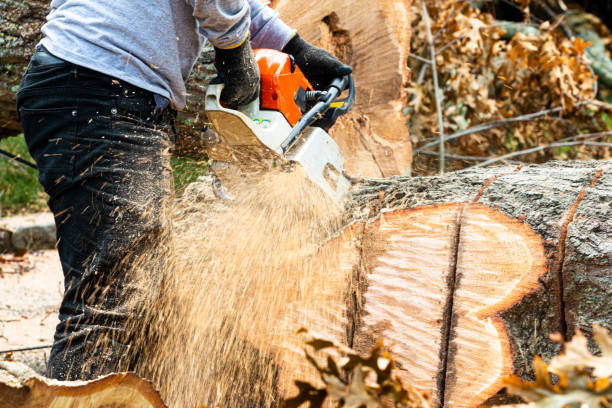
Man cutting a large tree stump with chainsaw A landscaper using a chainsaw to cut up a tree that fell during tropical storm Isaias on Long Island New York. tree removal stock pictures, royalty-free photos & images

How to Decide If a Tree Needs Removal: Expert Tips for Making the Right Choice

Deciding whether a tree needs to be removed can be a challenging task for any property owner. Trees not only add aesthetic beauty and shade, but they also contribute to the ecosystem by improving air quality and supporting wildlife. However, there are instances when removing a tree becomes necessary for safety or health reasons. Below are essential tips to help you make an informed decision.

Signs That a Tree May Need Removal

Carefully assessing the condition of your tree is the first step in determining whether it should stay or go.

  • Dead or Dying Tree
    A tree with significant dead branches, leafless sections during growing seasons, or fungal growth at its base may no longer be healthy enough to survive.
  • Leaning Trees
    A slight lean in a tree may not always be dangerous, but if the lean becomes more pronounced over time or occurs suddenly (due to storms or structural damage), it could pose serious risks.
  • Damaged Roots
    Exposed, decayed, or damaged roots can compromise the stability of a tree and increase its likelihood of falling without warning.
  • Cracks in Trunk or Branches
    Large cracks in the trunk or splitting branches weaken the structural integrity of the tree, making it hazardous during high winds or storms.
  • Overcrowding
    Multiple trees planted too close together can compete for nutrients and sunlight, leading some trees to deteriorate over time. Removing one may help others thrive.

Factors to Consider Before Deciding

Factor Description
Safety Risks Does the tree pose an immediate danger to people, property, or power lines?
Location Is the tree too close to structures like homes, garages, fences?
Tree Health Is more than 50% of the tree damaged?
Species Type Some invasive species may warrant removal due to their negative impact on surrounding vegetation.
Local Regulations Check local laws regarding protected trees and permits required for removal.

Consulting a Professional Arborist

If you’re unsure about whether your tree needs removal, consulting with an experienced arborist can provide valuable insights:
1. Arborists assess both visible and underlying damage using professional tools and techniques. 2. They provide recommendations based on safety evaluations while keeping environmental considerations in mind. 3. Experts also help identify alternatives such as trimming or cabling if full removal isn’t immediately required.

Alternatives to Tree Removal

Not every issue warrants complete removal—sometimes proper maintenance can extend a tree’s lifespan:
– Pruning dead branches helps prevent decay from spreading further. – Installing support systems like cables stabilizes leaning trees. – Applying fertilizers improves root health when overcrowding has stunted growth.

Making thoughtful decisions about your trees protects not only your property but also contributes positively to maintaining a healthy environment around you.

Understanding the Cost of Tree Removal: Factors That Impact Pricing and Budgeting

When it comes to removing a tree, the costs can vary significantly based on a variety of factors. Understanding these elements can help you budget appropriately and ensure you are getting the most value from a professional tree removal service. Below, we break down the primary factors that impact tree removal pricing.

Key Factors That Affect Tree Removal Costs

  1. Tall trees (above 80 feet): Typically cost more due to the complexity of removing them safely.
  2. Medium-sized trees (30-80 feet): Usually fall into a moderate price range.
  3. Small trees (under 30 feet): Generally less expensive due to simpler logistics.
  4. Healthy trees may sometimes cost more to remove because they often require more effort to dismantle due to their solid wood structure.
  5. Dead or decaying trees can sometimes be less expensive, but they also present safety risks which could increase costs if specialized equipment is needed.
  6. Trees located near structures, power lines, or in hard-to-access areas typically require additional precautions, increasing labor and equipment needs.
  7. Open areas with no obstructions allow for easier removal, often lowering costs.
  8. Full Removal: Services that include complete stump grinding and debris cleanup will generally cost more than basic felling services.
  9. Partial Removal: If only certain branches need to be removed or trimmed, this will typically cost less than full tree removal.
  10. Emergency removals (e. g. , after storms) usually come at a higher cost because of the immediate response required.
  11. Pre-scheduled services allow for better planning, making them more budget-friendly.

A Price Table for General Guidance

Tree Size Estimated Cost Range Additional Notes
Small (Under 30 ft) $150-$400 Minimal labor; easy access recommended
Medium (30-80 ft) $400-$800 May require climbing gear or bucket trucks
Large (Over 80 ft) $800-$2,000+ Extensive labor; higher risk due to height

Note: Prices above are for illustrative purposes only and may vary depending on location and specific circumstances.

Additional Considerations

  • Permit Requirements:In some regions, permits are required before removing certain types of trees—especially those considered protected species.
  • Disposal Fees:Some companies charge extra for hauling away debris such as wood chips or large branches.
  • Stump Grinding Costs:This service is often priced separately and can range from $75-$300 depending on the stump size.

Tips for Budget-Friendly Tree Removal

  1. Obtain multiple quotes from licensed professionals in your area.
  2. Schedule non-emergency removals during off-peak seasons when demand may be lower.
  3. Ask about bundled services if multiple trees need attention—it could save you money in the long run.
  4. Verify that companies carry proper insurance coverage to avoid unexpected liabilities.

By understanding these factors and working with experienced professionals, homeowners can make informed decisions about budgeting for tree removal while ensuring their property remains safe and aesthetically pleasing over time.

100% Satisfaction Guaranteed in All Professional Tree Trimming and Cutting Services

When it comes to maintaining the health, safety, and appearance of your property, professional tree trimming and cutting services play a vital role. Ensuring that you receive high-quality service is critical, which is why many trusted tree care companies provide a “100% satisfaction guaranteed” policy. This commitment emphasizes their dedication to delivering exceptional results that meet or exceed customer expectations. Below is an overview of why this promise matters and what you can expect from reliable tree service providers.

Benefits of Professional Tree Trimming Services

  • Improved Safety: Overgrown or dead branches pose significant hazards to people, structures, vehicles, and power lines. Regular trimming eliminates these risks effectively.
  • Enhanced Aesthetic Appeal: Well-pruned trees greatly enhance the visual appeal of your landscape by promoting a clean and polished look.
  • Tree Health Maintenance: Removing diseased or damaged branches helps prevent the spread of infections and promotes healthy growth patterns in trees.
  • Increased Property Value: Properties with well-maintained trees are often valued higher compared to those with neglected landscapes.

Understanding the “100% Satisfaction Guarantee”

When a company offers a 100% satisfaction guarantee for their trimming and cutting services, they are making a promise to deliver work that meets your needs completely.

  • Thorough Assessment: Professionals typically begin with an on-site evaluation to understand the specific requirements of your trees, ensuring that all work aligns with your goals.
  • Clear Communication: Trusted companies will keep you informed throughout the process—from providing detailed estimates to explaining recommended solutions.
  • Expert Execution: Certified arborists use advanced tools and techniques to ensure precision in pruning without harming the tree’s structure or long-term health.
  • Post-Service Follow-Up: Many companies follow up after completing their work to confirm client satisfaction and address any remaining questions or concerns.

What Sets Professional Tree Services Apart?

Feature Description
Certified Arborists Skilled professionals trained in proper pruning methods for optimal results
Use of Safety Equipment Ensures safe operation during all phases of trimming or removal
Comprehensive Insurance Protects clients from liability during service
Eco-Friendly Practices Responsible disposal or recycling of trimmed branches

Why Choose Guaranteed Services?

The guarantee reflects confidence in the quality of work provided by professional teams.

  1. Any issues will be promptly addressed at no additional cost.
  2. Your property is handled with care using industry-standard practices.
  3. The final outcome will align closely with your expectations.

Investing in professional tree trimming backed by a satisfaction guarantee ensures not only excellent results but also fosters trust between clients and service providers—making it an essential part of responsible property management.