

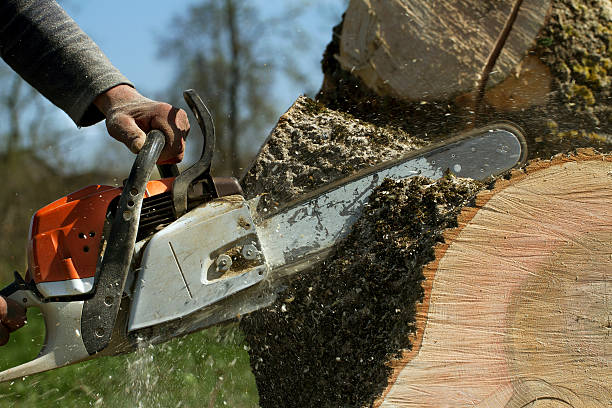
Tree removal is a specialized service that requires expertise, proper equipment, and careful planning. Homeowners often underestimate the costs involved in professional tree removal. Understanding what drives these expenses can help you budget effectively and ensure you’re working with qualified professionals.
Breakdown of Typical Costs
The cost of tree removal services can vary widely depending on a variety of factors. On average, homeowners spend between $150 and $2,000 per tree for professional removal.
| Service | Average Cost Range |
| Small Tree Removal (up to 30 ft) | $150 – $400 |
| Medium Tree Removal (30-60 ft) | $400 – $1,200 |
| Large Tree Removal (60-100 ft) | $1,200 – $2,000+ |
| Stump Grinding | $75 – $300 |
| Stump Removal (including roots) | $350 – $700 |
Factors That Determine Costs
- Size and Height:Taller or larger trees require more time and specialized equipment to remove.
- Species of the Tree:Some species have denser wood or complex root systems that make removal more challenging.
- Condition of the Tree:Dead or damaged trees may be more dangerous to handle due to unstable branches.
- Location:Trees near structures like homes or power lines require additional care and may increase costs.
Equipment and Labor
Tree removal professionals use advanced tools such as chainsaws, cranes, wood chippers, and rigging systems. The cost reflects not only the use of this machinery but also skilled laborers who are trained in handling such equipment safely.
Common Equipment Used:
- Chainsaws: For cutting through branches and trunks.
- Rope Systems: To lower heavy branches safely.
- Cranes: For removing large sections in confined spaces.
- Wood Chippers: To dispose of limbs and branches efficiently.
Top Reasons to Choose Safety Harbor FL Tree Trimming Services
While it may be tempting to attempt tree removal independently to save money, there are significant risks involved. Professionals not only minimize safety hazards but also handle legal considerations such as permits and local regulations. Investing in experienced arborists ensures the job is done right while protecting your property from potential damage.
By understanding these cost factors upfront, you can make informed decisions when selecting a reputable tree service provider for your needs.
Factors That Impact the Cost of Safety Harbor FL Tree Cutting Services
When considering professional tree removal services, it’s essential to understand the factors that directly impact the cost. This will help homeowners and property managers make informed decisions while staying within budget. Below, we break down the primary elements that influence pricing for tree removal services.
1.Tree Size and Height
The size and height of a tree play a significant role in determining the cost of its removal. Larger trees require more time, resources, and effort to remove safely.
- Small Trees(up to 25 feet): Typically easier to handle, these trees are less labor-intensive and may cost between $150 to $500.
- Medium Trees(25–50 feet): These require more equipment and time, with costs generally ranging from $200 to $1,000.
- Large Trees(over 50 feet): Tall or bulky trees need specialized equipment like cranes or bucket trucks. Costs can range from $1,000 to well over $2,500 depending on other factors.
2.Tree Species
Different tree species have varying densities, structural complexities, and levels of decay resistance that contribute to pricing differences.
- Softwoods like pine are often cheaper because they are easier to cut through.
- Hardwoods like oak or maple may increase costs due to their density.
- Exotic or rare species may incur additional charges if extra care or specialized knowledge is required.
3.Health and Condition of the Tree
| Condition | Impact on Cost |
| Healthy | Easier and safer to cut down; typically lower cost |
| Diseased | May require special handling for disposal |
| Dead/Damaged | Can be unstable or hazardous; increases safety risks and costs |
Trees in poor condition often pose additional risks during removal because they may unexpectedly split or collapse.
4.Location on Property
- Open Areas:Trees in unobstructed spaces are easier (and cheaper) for workers to access.
- Near Structures:Trees close to homes, fences, or utility lines increase risk levels because precise cutting techniques are necessary.
- Remote Locations:If crews must transport equipment long distances across uneven terrain, this could add labor charges.
5.Time of Year
- Winter months might see reduced costs as demand slows due to fewer landscaping projects.
- During peak seasons like spring or summer when removals coincide with other yard services, prices might increase due to higher demand.
6.Permits and Regulations
Some municipalities require permits for removing certain types of mature trees on private property. Permit fees may vary widely depending on local laws.
- In environmentally protected zones, compliance with regulations could lead to higher expenses.
- Legal violations resulting from unpermitted work can add fines on top of the service cost.
How to Find an Affordable Safety Harbor FL tree cutting service
- Obtain multiple quotes from reputable companies in your area.
- Bundle services—such as stump grinding—with tree removal where possible for discounts.
- Schedule removals during off-season periods when demand is lower.
- Consider asking about flexible payment plans if tackling large-scale projects.
Understanding these influential factors helps you evaluate quotes more effectively while ensuring quality service at a fair price point. By assessing these variables carefully before hiring professionals, you’ll be better prepared both financially and logistically for any tree-related project on your property.
How a Tree Cutting Company in Safety Harbor FL Factors Size, Height, and Species into Tree Removal Costs
When determining the cost of tree removal services, the size, height, and species of the tree play a significant role. These factors directly influence the complexity of the job and the resources required for safe and efficient removal. Below is a detailed discussion on how each aspect affects pricing.
Tree Size
The diameter or thickness of a tree’s trunk is one of the primary cost drivers for removal. Larger trees require more labor and specialized equipment to cut through dense wood effectively. Additionally, larger trees often produce more debris that must be removed from the site.
- Small trees(up to 30 feet tall): Lower costs due to minimal labor and equipment needs.
- Medium trees(30-60 feet tall): Moderate costs as they typically involve more cutting time.
- Large trees(over 60 feet tall): Higher costs because they are heavier, require advanced equipment like cranes, and demand greater expertise.
Tree Height
The height of a tree directly correlates with how difficult—and potentially dangerous—the removal process can be.
- Trees above power lines or near buildings may require additional safety measures.
- Tall trees often need specialized climbing gear or aerial lifts to ensure branch-by-branch dismantling.
| Tree Height | Average Cost Range |
| Up to 30 feet | $150 – $500 |
| 30 – 60 feet | $400 – $1,200 |
| Over 60 feet | $1,000 – $2,500+ |
Tree Species
- Wood Density:Hardwoods such as oak or maple are more challenging to cut than softwoods like pine or cedar. The density impacts both cutting difficulty and disposal weight-related fees.
- Branch Structure:Trees with sprawling branches (e. g. , sycamores) may take longer to trim compared to columnar-shaped species like cypress.
- Root Systems:Certain species develop extensive underground root systems that complicate stump grinding or complete removal.
- Pine Trees:Generally less expensive due to softer wood.
- Oak Trees:Higher-cost removals due to dense wood and large canopy size.
- Palm Trees:Costs vary based on location but are often moderate thanks to their relatively simple structure.
Additional Factors Related to Size and Species
- The health condition of the tree: Dead or diseased trees can be brittle and unpredictable during cutting procedures.
- Age: Older trees tend to be larger with deeper roots.

Key Takeaways for Homeowners Consider Tree Removal
Understanding how size, height, and species impact pricing helps homeowners better assess estimates provided by professional arborists. Request an in-person evaluation from experienced providers for accurate quotes tailored specifically to your tree’s attributes.
While both options come with their pros and cons, understanding the costs, risks, and benefits can help you make an informed decision tailored to your situation.
DIY Tree Cutting Costs:
– Basic Equipment Purchase/Rental:Chainsaws ($100–$400), safety gear (e. g. , helmets, gloves, eye protection) costing around $50–$200.
– Additional Tools:Rope systems ($30–$150), axes ($40–$80), and ladders ($100+).
– Hidden Expenses:Potential repair costs for property damage or medical bills from accidents.
Professional Services Costs:
Though more expensive upfront than DIY methods, hiring professionals ensures expertise and proper handling of hazards.
| Cost Factor | DIY Approximate Cost | Professional Service Cost Range |
| Equipment & Gear | $300–$700 | Included in service fees |
| Time Investment | Significant | Minimal |
| Risk Mitigation | High personal liability | Covered by insurance |
Risks: Weighing Safety Concerns
- Physical Risk (DIY):Operating heavy equipment like chainsaws without proper training can result in serious injuries. Falls from heights are also common when cutting tall trees.
- Property Damage (DIY):Without precise knowledge of how a tree will fall or how to secure it properly during cutting, there’s potential for damage to houses, vehicles, fences, or neighboring properties.
- Environmental Hazards (DIY):Certain trees may harbor pests or diseases that require specialized disposal methods.
On the other hand:
– Most reputable companies carry liability insurance to cover potential accidents or damages.
Benefits of Hiring Professionals
- Expertise:Professionals have extensive experience in safely removing trees of varying sizes without harm to surrounding structures.
- Efficiency:With access to advanced tools like bucket trucks and wood chippers, they complete jobs more quickly than untrained individuals could achieve on their own.
- Insurance Coverage:Liability insurance protects homeowners from financial repercussions in case of accidents or property damage during the job.
- Post-Cleanup Services:Many companies include stump grinding and debris removal as part of their service packages.
Key Considerations Before Choosing
- Assess your own skill level and experience with heavy equipment like chainsaws.
- Consider whether you have the appropriate safety gear required for climbing or cutting at height.
- Evaluate the complexity of the task—simple trimming may be manageable on your own but larger jobs often justify professional intervention.
- Look into local laws; some municipalities require permits for large-scale tree removal that professionals can handle on your behalf.
Making an informed choice requires balancing cost concerns with safety priorities while considering long-term outcomes like property preservation and personal well-being.
When considering tree cutting, homeowners often face the choice between doing it themselves (DIY) or hiring a professional service. While both approaches have their merits, understanding the costs, risks, and benefits of each option is crucial to making an informed decision.
- DIY Costs
Opting to remove a tree on your own might seem like a cost-effective solution. - Equipment rental: Chainsaws, safety gear (helmets, goggles, gloves), and ladders can cost $100–$500 per day.
- Disposal fees: Local regulations may require you to pay for stump grinding or disposal of tree debris. These fees can range from $50–$200 depending on the size of the tree and local landfill policies.
- Additional tools: Items such as ropes or wedges may add another $50–$100.
- Professional Costs
Hiring licensed professionals typically costs between $200 and $2,000 depending on factors like tree size, location accessibility, and complexity of the job. Professionals often provide equipment and handle all aspects of removal—including cleanup—saving you time and effort.
- Risks with DIY Tree Cutting
Attempting to cut down a tree without proper training poses significant safety hazards: - Injuries from falling branches or mishandled chainsaws are common for inexperienced individuals.
- Trees near homes or power lines may cause property damage if not removed correctly.
- Lack of knowledge about structural defects within trees (like decay or instability) increases the likelihood of accidents.
- Reduced Risks with Professionals
Certified arborists are trained to evaluate trees’ conditions before removal and follow industry standards for safe operations. Their experience minimizes risks such as falling trees causing unforeseen damage.
| Factor | DIY Approach | Professional Service |
| Cost Savings | Potentially lower upfront costs | Higher upfront expense |
| Time Investment | High – requires research & labor | Minimal – professionals handle everything |
| Safety Measures | Limited safety expertise | Adequate safety protocols |
| Quality of Work | Highly variable | Consistently reliable results |
| Access to Tools/Equipment | May require renting expensive tools | Comes equipped with necessary tools |
When Should You Consider Each Option?
- The tree is small (under 25 feet tall) and in an open area without nearby structures.
- You have prior experience with chainsaws or similar equipment.
- You’re confident in your ability to evaluate risks independently.
- The tree is large, tall, diseased, or situated close to buildings/power lines.
- You lack experience handling heavy-duty equipment safely.
- Legal requirements mandate certified arborists for certain types of removals in your area.
Carefully weighing these considerations can help you decide whether DIY efforts align with your budget and capabilities—or if investing in professional services is worth its long-term benefits.
Safety and Legal Considerations When Choosing a Tree Removal Service
Hiring a professional tree removal company involves understanding potential risks, safety protocols, and legal responsibilities to protect your property, family, and community. Below are essential aspects to consider when selecting a professional tree removal service.
Safety Considerations
Tree removal is inherently dangerous and requires proper equipment, expertise, and training. Failing to prioritize safety can lead to personal injury or property damage.
- Certified Arborists:Ensure the company employs certified arborists trained in safe tree cutting techniques.
- Proper Equipment Usage:Look for companies equipped with industry-standard tools such as chainsaws, cranes, and harnesses.
- Protective Gear:Workers should wear personal protective equipment (PPE), including helmets, gloves, goggles, and steel-toed boots.
- Emergency Preparedness:A good provider will have contingency plans for emergencies like falling branches or equipment failure.
- Insurance Coverage:Verify that the company carries liability insurance and worker’s compensation to protect you from potential financial liabilities.
Legal Considerations
Beyond safety, there are legal issues homeowners must address before removing trees. Ignoring these requirements can result in fines or disputes with neighbors or local authorities.
- Some municipalities require permits for tree removal based on criteria such as tree size or species.
- Check with your local government office for specific regulations in your area.
- Ensure the tree being removed is within your property boundaries. Removing a tree on shared property without consent can lead to legal disputes.
- If uncertain about boundaries, consult a professional surveyor.
- Certain species may be classified as protected under environmental conservation laws.
- Hire an arborist familiar with regulations concerning protected or endangered trees.
- Confirm whether the contractor will clean up and properly dispose of branches, trunks, and stumps.
- Some jurisdictions have policies against burning wood waste due to air quality concerns.
- If the tree borders a neighboring property or overhangs their land, communicate with them early to avoid conflicts during removal activities.
Key Questions to Ask Your Tree Removal Service
- Do you have proof of liability insurance and worker’s compensation coverage?
- Are all workers trained in proper safety procedures?
- Will you handle obtaining necessary permits?
- How do you plan to manage debris cleanup after removing the tree?
- Can you provide references from past clients?
Summary Table: Safety & Legal Checklist
| Aspect | Why It Matters | What To Verify |
| Certified Arborists | Ensures expertise in safe practices | Credentials from professional organizations |
| Proper Permits | Avoids fines or legal issues | Permits obtained where required |
| Insurance Coverage | Protects against liability | Valid insurance certificates |
| Local Regulations | Complies with environmental laws | Knowledge of protected species |
| Neighbor Consent | Prevents disputes | Written agreement if applicable |
By addressing these considerations upfront, homeowners can minimize risks while ensuring compliance with local laws regarding tree removal services.
Additional Costs and Smart Strategies to Save on Tree Removal Services
When planning for tree removal services, it’s essential to understand that the upfront removal cost might not be the only expense you face. Being aware of potential additional charges and employing smart strategies to reduce costs can help you manage your budget more effectively.
Common Additional Costs in Tree Removal
- After a tree is cut down, its stump often remains. Removing the stump entirely or grinding it into mulch involves extra labor and equipment, which can increase costs.
- Average cost range: $100–$400 depending on stump size and depth.
- Tree removal leaves behind branches, logs, and debris that need to be cleared from your property. While some companies include cleanup in their base price, others may charge separately.
- Typical add-on fee: $50–$200 for debris removal.
- If a tree poses an immediate danger—such as after a storm—emergency tree removal services are often needed at short notice, which can come with premium pricing.
- Emergency surcharge: 25%–50% higher than standard rates.
- If your property is in a remote location far from the service provider’s base, expect additional travel expenses.
- Some municipalities require permits for tree removal, especially for older or protected trees. Permit fees and administrative costs might be passed on to the homeowner.
| Extra Service | Estimated Cost (USD) |
| Stump Grinding | $100–$400 |
| Debris Removal | $50–$200 |
| Emergency Fee | +25%–50% |
| Travel Surcharges | Varies by distance |
| Permit Acquisition | $50–$150 |
Smart Strategies to Save on Tree Removal Costs
- Many tree service companies experience lower demand during late fall and winter months (outside of storm seasons). Scheduling during this time could lead to discounted rates.
- If you have multiple trees requiring attention—or other yard maintenance needs—request a package deal from your service provider to save on overall costs.
- Some homeowners opt to clear smaller branches or stack wood themselves after professionals remove the primary structure of the tree, saving money on cleanup fees.
- Always seek quotes from at least three professional companies before making a decision. Comparing pricing ensures you’re getting value without compromising quality or safety.
- Some municipalities offer incentives for removing dead, hazardous trees under community safety programs that could partially offset your costs.
- Inquire whether part of the removed wood can be turned into firewood or mulch for personal use instead of paying for its disposal.
Why Planning Ahead Matters
Paying attention to potential hidden fees ensures there are no surprises once the project begins. Additionally, employing cost-saving strategies like scheduling during less busy periods or bundling tasks demonstrates how proactive planning minimizes unnecessary expenses while maintaining high-quality results from trusted professionals.
- Understanding the Importance of Safety Harbor FL Tree Trimming and Pruning
- Comprehensive Guide to Tree Removal Safety Harbor FL: Costs and Considerations
- Safety Harbor FL tree cutting service: Understanding Tree Trimming vs. Pruning for Proper Care
- Essential Reasons to Choose Professional Tree Removal Safety Harbor FL Services for Your Property
- Essential Signs You Need Safety Harbor FL Tree Cutting Services
- Key Methods for Safety Harbor FL Tree Trimming: Understanding the Difference Between Tree Removal and Tree Felling