


Neglecting tree care can lead to significant risks for your property, safety, and financial well-being. This is why professional tree services play an essential role in maintaining the health of your landscape. Here’s what you need to know about their importance.
The Benefits of Professional Safety Harbor FL Tree Cutting Services
Hiring a certified arborist or tree care professional provides numerous advantages that DIY solutions often fail to deliver.
- Health Assessments: Professionals can identify diseases or pest infestations early before they spread to other trees or shrubs.
- Precision Pruning: Proper pruning encourages healthy growth while reducing hazards such as falling branches.
- Tools and Expertise: Arborists use specialized tools and techniques that are safer and more effective than standard equipment.
- Emergency Response: In cases of storm damage or fallen trees, professionals provide quick removal services to restore safety.
The Importance of Hiring a Safety Harbor FL Tree Cutting Service
Delaying necessary tree care can result in serious consequences for both your property and those living nearby.
- Falling Branches
Dead or weak branches can fall unexpectedly, causing injury or damage to structures such as roofs, fences, or vehicles. - Root Damage
Overgrown roots may disrupt driveways, sidewalks, plumbing systems, or building foundations. - Pest Infestations
Untended trees can become breeding grounds for termites, ants, or other pests that may invade nearby homes. - Increased Liability
If a hazardous tree on your property falls onto a neighbor’s home or injures someone passing by, you could be held financially responsible.
When to Call a Tree Cutting Company in Safety Harbor FL for Professional Help
Regular inspections are key to identifying when it’s time to call in the experts.
| Symptom | Possible Issue | Recommended Action |
| Dead branches | Decay or disease | Schedule pruning immediately |
| Leaning tree | Weak root system | Consult an arborist |
| Cracks in the trunk | Structural instability | Consider removal if severe |
| Sparse foliage | Poor nutrition or pests | Request a health evaluation |
| Mushrooms at the base | Root rot | Investigate further |
Long-Term Value of Tree Care
- Enhances curb appeal with well-maintained landscaping.
- Prevents costly repairs by mitigating risks early on.
- Boosts property value by maintaining healthy trees.
By staying proactive with regular inspections and maintenance through licensed professionals, you preserve not only the beauty but also the safety of your outdoor space year-round.
Expert Tips for Safety Harbor FL Tree Trimming and Deciding If a Tree Needs Removal
Trees are an essential part of the landscape, but there are times when removal becomes necessary. Deciding if and when to remove a tree can be challenging, especially without expert guidance. Below are some key factors and tips to help you make the right decision regarding tree removal.
Assessing the Health of the Tree
One of the first steps in determining whether a tree needs to be removed is assessing its overall health.
- Dead or decaying branches: Look for branches that lack leaves or exhibit signs of rot.
- Fungal growth: Mushrooms or other fungi at the base of the trunk may indicate internal decay.
- Cracked trunk: Vertical splits or cracks in the trunk can weaken structural integrity.
- Sparse foliage: Thinning leaves, especially during growing seasons, could signal decline.
If more than 50% of a tree is damaged or unhealthy, it’s often more practical to remove it rather than attempting restoration efforts.
Inspect for Structural Hazards
Trees with compromised structures pose safety risks to people and property.
- Leaning Trees: A sudden lean may suggest root instability. A gradual lean may also indicate weakened support systems over time.
- Split trunks or weak unions: When two large stems split from one trunk (called co-dominant stems), they can break under stress from storms or heavy winds.
- Proximity to structures: Roots growing under foundations, driveways, or sidewalks can lead to costly structural damage.
- Overhanging limbs:Large limbs hanging over homes, garages, or power lines present significant hazards during storms.
Evaluate Environmental Factors
Sometimes external factors necessitate removing even a healthy tree.
| Factor | Impact |
| Proximity to utilities | Interference with powerlines leads to outages and safety issues. |
| Construction projects | Trees in planned development areas may obstruct progress. |
| Overcrowding | Dense planting prevents trees from receiving proper sunlight and nutrients. |
Removing one tree might improve conditions for others nearby, contributing positively to overall landscape health.
Seeking Professional Assessment
While visual inspections give initial clues about a tree’s condition, consulting a certified arborist ensures informed decision-making.
- Perform detailed assessments using advanced tools like resistographs (to check internal decay).
- Provide pruning recommendations as alternatives where appropriate.
- Help identify species-specific concerns (e. g. , invasive pests like emerald ash borers).
Hiring an expert reduces risks associated with incorrect judgments about whether removal is necessary.
Balancing Safety and Aesthetics
Ultimately, deciding whether a tree needs removal involves weighing safety concerns against aesthetic preferences and environmental considerations. While trees add beauty and value to properties, dangerous conditions should always take precedence over appearance.
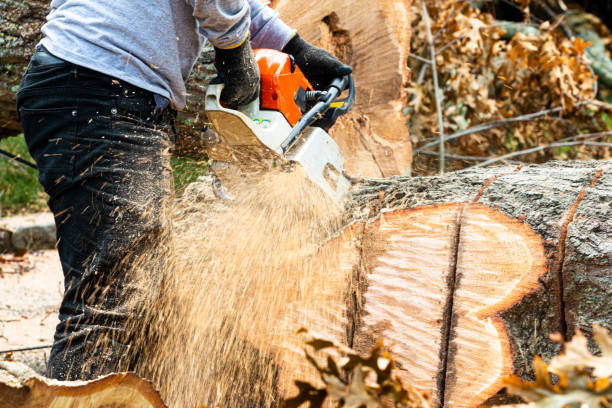
How to Decide If a Tree Needs Removal: Expert Tips for Making the Right Choice
Deciding whether a tree needs to be removed can be a challenging task for any property owner. Trees not only add aesthetic beauty and shade, but they also contribute to the ecosystem by improving air quality and supporting wildlife. However, there are instances when removing a tree becomes necessary for safety or health reasons. Below are essential tips to help you make an informed decision.
Signs That a Tree May Need Removal
Carefully assessing the condition of your tree is the first step in determining whether it should stay or go.
- Dead or Dying Tree
A tree with significant dead branches, leafless sections during growing seasons, or fungal growth at its base may no longer be healthy enough to survive. - Leaning Trees
A slight lean in a tree may not always be dangerous, but if the lean becomes more pronounced over time or occurs suddenly (due to storms or structural damage), it could pose serious risks. - Damaged Roots
Exposed, decayed, or damaged roots can compromise the stability of a tree and increase its likelihood of falling without warning. - Cracks in Trunk or Branches
Large cracks in the trunk or splitting branches weaken the structural integrity of the tree, making it hazardous during high winds or storms. - Overcrowding
Multiple trees planted too close together can compete for nutrients and sunlight, leading some trees to deteriorate over time. Removing one may help others thrive.
Factors to Consider Before Deciding
| Factor | Description |
| Safety Risks | Does the tree pose an immediate danger to people, property, or power lines? |
| Location | Is the tree too close to structures like homes, garages, fences? |
| Tree Health | Is more than 50% of the tree damaged? |
| Species Type | Some invasive species may warrant removal due to their negative impact on surrounding vegetation. |
| Local Regulations | Check local laws regarding protected trees and permits required for removal. |
Consulting a Professional Arborist
If you’re unsure about whether your tree needs removal, consulting with an experienced arborist can provide valuable insights:
1. Arborists assess both visible and underlying damage using professional tools and techniques. 2. They provide recommendations based on safety evaluations while keeping environmental considerations in mind. 3. Experts also help identify alternatives such as trimming or cabling if full removal isn’t immediately required.
Alternatives to Tree Removal
Not every issue warrants complete removal—sometimes proper maintenance can extend a tree’s lifespan:
– Pruning dead branches helps prevent decay from spreading further. – Installing support systems like cables stabilizes leaning trees. – Applying fertilizers improves root health when overcrowding has stunted growth.
Making thoughtful decisions about your trees protects not only your property but also contributes positively to maintaining a healthy environment around you.
Understanding the Cost of Tree Removal: Factors That Impact Pricing and Budgeting
When it comes to removing a tree, the costs can vary significantly based on a variety of factors. Understanding these elements can help you budget appropriately and ensure you are getting the most value from a professional tree removal service. Below, we break down the primary factors that impact tree removal pricing.
Key Factors That Affect Tree Removal Costs
- Tall trees (above 80 feet): Typically cost more due to the complexity of removing them safely.
- Medium-sized trees (30-80 feet): Usually fall into a moderate price range.
- Small trees (under 30 feet): Generally less expensive due to simpler logistics.
- Healthy trees may sometimes cost more to remove because they often require more effort to dismantle due to their solid wood structure.
- Dead or decaying trees can sometimes be less expensive, but they also present safety risks which could increase costs if specialized equipment is needed.
- Trees located near structures, power lines, or in hard-to-access areas typically require additional precautions, increasing labor and equipment needs.
- Open areas with no obstructions allow for easier removal, often lowering costs.
- Full Removal: Services that include complete stump grinding and debris cleanup will generally cost more than basic felling services.
- Partial Removal: If only certain branches need to be removed or trimmed, this will typically cost less than full tree removal.
- Emergency removals (e. g. , after storms) usually come at a higher cost because of the immediate response required.
- Pre-scheduled services allow for better planning, making them more budget-friendly.
A Price Table for General Guidance
| Tree Size | Estimated Cost Range | Additional Notes |
| Small (Under 30 ft) | $150-$400 | Minimal labor; easy access recommended |
| Medium (30-80 ft) | $400-$800 | May require climbing gear or bucket trucks |
| Large (Over 80 ft) | $800-$2,000+ | Extensive labor; higher risk due to height |
Note: Prices above are for illustrative purposes only and may vary depending on location and specific circumstances.
Additional Considerations
- Permit Requirements:In some regions, permits are required before removing certain types of trees—especially those considered protected species.
- Disposal Fees:Some companies charge extra for hauling away debris such as wood chips or large branches.
- Stump Grinding Costs:This service is often priced separately and can range from $75-$300 depending on the stump size.
Tips for Budget-Friendly Tree Removal
- Obtain multiple quotes from licensed professionals in your area.
- Schedule non-emergency removals during off-peak seasons when demand may be lower.
- Ask about bundled services if multiple trees need attention—it could save you money in the long run.
- Verify that companies carry proper insurance coverage to avoid unexpected liabilities.
By understanding these factors and working with experienced professionals, homeowners can make informed decisions about budgeting for tree removal while ensuring their property remains safe and aesthetically pleasing over time.
100% Satisfaction Guaranteed in All Professional Tree Trimming and Cutting Services
When it comes to maintaining the health, safety, and appearance of your property, professional tree trimming and cutting services play a vital role. Ensuring that you receive high-quality service is critical, which is why many trusted tree care companies provide a “100% satisfaction guaranteed” policy. This commitment emphasizes their dedication to delivering exceptional results that meet or exceed customer expectations. Below is an overview of why this promise matters and what you can expect from reliable tree service providers.
Benefits of Professional Tree Trimming Services
- Improved Safety: Overgrown or dead branches pose significant hazards to people, structures, vehicles, and power lines. Regular trimming eliminates these risks effectively.
- Enhanced Aesthetic Appeal: Well-pruned trees greatly enhance the visual appeal of your landscape by promoting a clean and polished look.
- Tree Health Maintenance: Removing diseased or damaged branches helps prevent the spread of infections and promotes healthy growth patterns in trees.
- Increased Property Value: Properties with well-maintained trees are often valued higher compared to those with neglected landscapes.
Understanding the “100% Satisfaction Guarantee”
When a company offers a 100% satisfaction guarantee for their trimming and cutting services, they are making a promise to deliver work that meets your needs completely.
- Thorough Assessment: Professionals typically begin with an on-site evaluation to understand the specific requirements of your trees, ensuring that all work aligns with your goals.
- Clear Communication: Trusted companies will keep you informed throughout the process—from providing detailed estimates to explaining recommended solutions.
- Expert Execution: Certified arborists use advanced tools and techniques to ensure precision in pruning without harming the tree’s structure or long-term health.
- Post-Service Follow-Up: Many companies follow up after completing their work to confirm client satisfaction and address any remaining questions or concerns.
What Sets Professional Tree Services Apart?
| Feature | Description |
| Certified Arborists | Skilled professionals trained in proper pruning methods for optimal results |
| Use of Safety Equipment | Ensures safe operation during all phases of trimming or removal |
| Comprehensive Insurance | Protects clients from liability during service |
| Eco-Friendly Practices | Responsible disposal or recycling of trimmed branches |
Why Choose Guaranteed Services?
The guarantee reflects confidence in the quality of work provided by professional teams.
- Any issues will be promptly addressed at no additional cost.
- Your property is handled with care using industry-standard practices.
- The final outcome will align closely with your expectations.
Investing in professional tree trimming backed by a satisfaction guarantee ensures not only excellent results but also fosters trust between clients and service providers—making it an essential part of responsible property management.
- Understanding the Importance of Safety Harbor FL Tree Trimming and Pruning
- Comprehensive Guide to Tree Removal Safety Harbor FL: Costs and Considerations
- Safety Harbor FL tree cutting service: Understanding Tree Trimming vs. Pruning for Proper Care
- Essential Reasons to Choose Professional Tree Removal Safety Harbor FL Services for Your Property
- Essential Signs You Need Safety Harbor FL Tree Cutting Services
- Key Methods for Safety Harbor FL Tree Trimming: Understanding the Difference Between Tree Removal and Tree Felling