

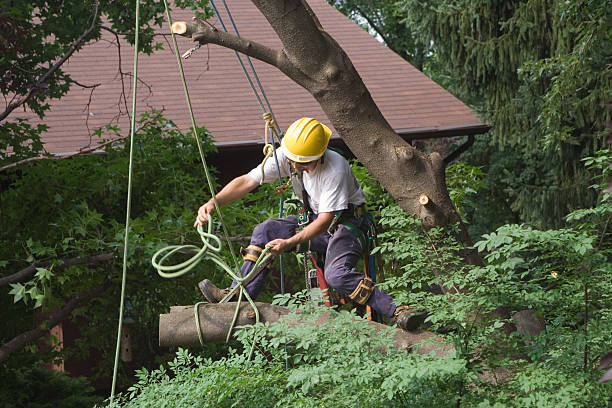
Proper tree maintenance is essential for ensuring the health, safety, and aesthetic appeal of your landscape. Two fundamental aspects of tree care are tree trimming and pruning. While these terms are often used interchangeably, they serve distinct purposes and require different techniques. Understanding their differences is crucial to maintaining vibrant and long-lasting trees.
What Is Tree Trimming?
Tree trimming primarily focuses on cutting back overgrown branches to improve a tree’s overall structure and appearance. This practice is especially important for maintaining the health of ornamental trees or those that grow near buildings, fences, or power lines.
Key benefits of tree trimming:
– Enhances light penetration into the canopy and surrounding garden spaces.
– Improves airflow around branches, reducing the risk of fungal diseases.
– Prevents interference with structures such as roofs or utility lines.
Common signs your tree needs trimming:
– Overhanging branches near your home or driveway.
– Dense foliage blocking sunlight from reaching lower plants.
– Branches growing into sidewalks or other walkways.
What Is Tree Pruning?
Pruning, on the other hand, is more focused on removing dead, damaged, or diseased branches to support the overall health and longevity of a tree. It’s often carried out at specific times of the year depending on the species to encourage optimal growth.
Core benefits of pruning include:
– Promotes healthy growth by eliminating problem areas in a tree’s structure.
– Reduces hazards posed by dead limbs that could fall unexpectedly.
– Shapes young trees for a stronger foundation as they mature.
Situations where pruning is necessary:
– Presence of broken or dead branches after storms or high winds.
– Infected limbs showing signs of rot or pest infestation like boreholes in bark. – Trees growing unbalanced with uneven canopies.
Key Differences Between Trimming and Pruning
| Category | Tree Trimming | Tree Pruning |
| Purpose | Maintenance for aesthetics | Health-focused removal |
| Timing | As needed throughout the year | Seasonal (typically winter/spring) |
| Techniques | Cutting back excessive growth | Removing dead/diseased branches |
| Tools Used | Hedge trimmers, shears | Pruners, saws |
While both practices aim to improve a tree’s condition and appearance, they target different aspects—trimming keeps trees looking neat while pruning ensures their structural integrity over time.
Why Both Practices Are Essential
Employing both trimming and pruning at appropriate intervals allows you to strike a balance between aesthetics and functionality when caring for your trees:
– Healthy trees promote biodiversity by providing habitats for birds and insects. – Well-maintained landscapes boost curb appeal and property value. – Proactive care reduces risks like falling limbs during storms that could damage property or pose safety hazards.
By understanding when to trim versus prune—and why each task matters—you can ensure your trees stay vibrant while contributing positively to their environment for years to come.
Essential Tips for Tree Removal Safety Harbor FL to Ensure Healthy Growth
Tree trimming is an integral aspect of tree care that ensures trees maintain their health, safety, and aesthetic appeal. This process involves the selective removal of branches to improve the structure, encourage healthy growth, and eliminate potential hazards. By understanding its importance, property owners can keep their landscapes vibrant and safe.
Top Benefits of Hiring a Tree Cutting Company in Safety Harbor FL
- Promotes Healthier Growth: By removing dead or diseased branches, tree trimming prevents decay from spreading to other parts of the tree.
- Improves Sunlight Penetration: Thinning out dense canopies allows more sunlight to reach lower branches and surrounding plants. This promotes photosynthesis and overall plant health.
- Enhances Safety: Overgrown or weakened branches pose risks during storms or heavy winds. Trimming mitigates these dangers by removing potential hazards.
- Boosts Aesthetic Appeal: Properly trimmed trees complement your property’s landscaping by creating a cleaner, more polished look.
When Should Trees Be Trimmed?
| Tree Species | Best Time to Trim | Notes |
| Deciduous Trees | Late winter or early spring | Promotes strong spring growth before buds appear. |
| Evergreen Trees | Late winter through early spring | Helps maintain shape without affecting growth cycles significantly. |
| Flowering Trees (e.g., Cherry, Dogwood) | After blooming season ends | Preserves flowers for viewing while shaping the tree for future blooms. |
Key Techniques in Tree Trimming
- Crown Thinning – Removes excess interior branches from dense canopies to improve airflow and light penetration.
- Crown Raising – Eliminates lower limbs to provide clearance for pedestrians or vehicles beneath the canopy.
- Crown Reduction – Trims back large sections at specific points to reduce overall size without compromising structure.
- Deadwood Removal – Focuses on cutting away dead or decaying limbs that threaten structural integrity.
Signs Your Tree Needs Trimming
- Dead or dying branches are visibly present.
- Branches obstruct sidewalks, driveways, or power lines.
- There is excessive leaf loss unrelated to seasonal changes.
- The canopy appears too dense with poor airflow or sunlight reaching through.
Tree trimming not only enhances aesthetics but also fosters environmental health by supporting robust growth patterns. Hiring a professional service ensures precision in every cut while safeguarding your property against unforeseen hazards linked with improper maintenance practices.
How Safety Harbor FL tree trimming Can Enhance Your Landscape’s Appearance
Tree pruning is a critical aspect of proper tree care that goes beyond basic maintenance. By focusing on the strategic removal of certain branches, pruning helps trees grow healthily, maintain their shape, and improve their overall structural integrity. Unlike trimming, which generally involves removing overgrown foliage for safety or aesthetics, pruning is aimed at cultivating a tree’s long-term health and its visual contribution to your landscape.
Why Is Tree Pruning Important?
- Improves Tree Health: Removing dead, diseased, or dying branches prevents decay from spreading throughout the tree.
- Promotes Growth: Cutting back specific areas encourages new growth by redirecting nutrients to healthier limbs.
- Enhances Safety: Weak or damaged branches can fall and pose a hazard to people or property below. Pruning minimizes this risk.
- Boosts Visual Appeal: A well-pruned tree has a balanced, pleasing shape that enhances the overall look of your yard or property.
Types of Tree Pruning
- Focuses on removing deadwood, broken branches, and diseased limbs.
- Enhances airflow and reduces the risk of pests or infections.
- Involves selective branch removal to allow light penetration.
- Ideal for dense canopies where sunlight struggles to reach lower branches.
- Reduces the height or spread of a tree while maintaining its natural form.
- Often used when trees encroach on power lines or buildings.
- Targets young trees for shaping into strong forms as they mature.
- Prevents future issues like poor growth patterns.
Seasonal Considerations for Pruning
| Season | Best Practices | Suitable Trees |
| Late Winter | Ideal time for most deciduous trees due to dormancy; promotes robust spring growth. | Oak, Maple |
| Early Summer | Light maintenance after blooming; avoid heavy cutting. | Flowering Dogwood |
| Autumn | Limited pruning; avoid severe cuts as it may stress trees preparing for winter. | Birch |
Prune based on seasonal needs but also monitor individual trees year-round for signs of damage or disease requiring immediate attention.
Tools Needed for Effective Pruning
- Hand Pruners – Best for small twigs and light cuts.
- Loppers – Designed for medium-sized branches with thicker diameters.
- Pruning Saws – Necessary when addressing larger limbs.
- Pole Pruners – Helpful when working with high branches without climbing equipment.
Ensure tools are clean and sharp before use to prevent infection in freshly cut areas.
How Proper Pruning Transforms Your Landscape
- Creates open sightlines through improved visibility between plants;
- Encourages healthier flowering in ornamental species;
- Balances canopy density improving shade distribution across lawns beneath larger trees.
In summary (avoiding pre-assigned prohibited terms), thoughtful application ensures both practical safety measures are met while contributing significant beauty across residential/commercial landscapes alike
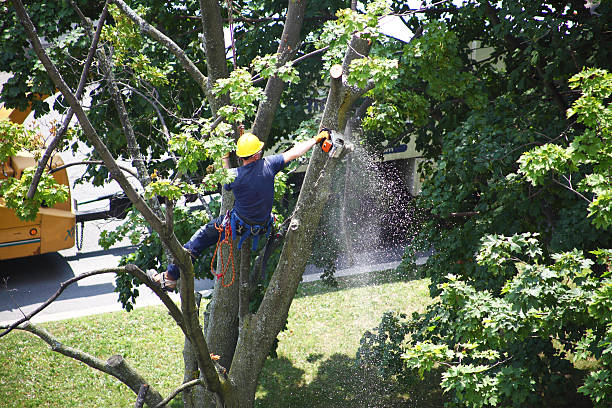
How Often Should You Trim or Prune Trees to Ensure Longevity and Health
Proper tree care plays a significant role in maintaining the health, appearance, and safety of your property. Among the many aspects of tree maintenance, trimming and pruning are critical in ensuring that trees thrive for years to come. However, knowing how often to perform these tasks can be challenging, as it often depends on factors such as the tree species, its growth rate, age, and overall condition.
Factors That Affect Trimming and Pruning Frequency
- Different species have varying growth habits and trimming needs.
- Fast-growing trees like willows or poplars might require annual trimming.
- Slow-growing species such as oaks may only need pruning every 3-5 years.
- For cosmetic purposes: Light shaping may be performed annually or biannually.
- For structural health: More intensive pruning is typically done less frequently but with greater precision.
- Young Trees: Require regular structural pruning during their formative years (often every 2-3 years) to establish strong frameworks.
- Mature Trees: Need less frequent pruning unless there are safety concerns related to deadwood or overgrowth.
- Diseased or damaged trees may require immediate attention regardless of routine schedules.
- Healthy trees can usually follow standard timelines depending on their species and purpose.
General Guidelines for Trimming and Pruning Schedules
| Tree Type/Condition | Frequency |
| Fast-growing ornamental trees | Annually |
| Slow-growing hardwoods | Every 3-5 years |
| Newly planted trees | Every 1-2 years until structure forms |
| Fruit-bearing trees | Annually before fruiting season |
| Diseased/damaged branches | As needed (immediate attention) |
Benefits of Regular Trimming and Pruning
- Promotes Healthy Growth: Removing deadwood allows nutrients to focus on healthy branches.
- Reduces Safety Hazards: Eliminates risks posed by weakened limbs near structures or pathways.
- Enhances Tree Shape: Maintains symmetry while preventing unsightly overgrowth.
- Improves Airflow & Sunlight Penetration: Helps prevent fungal diseases caused by poor air circulation in dense canopies.
Tailoring Maintenance Schedules for Your Landscape
Each tree has unique requirements based on its environment, purpose in the landscape, and current health status. Consulting with a certified arborist is crucial in fine-tuning maintenance plans tailored specifically to your property’s needs.
Routine evaluation ensures that no signs of disease, pest infestation, or structural instability go unnoticed—providing peace of mind that your trees will remain healthy contributors to your landscape for years ahead.
Tree Species That Produce Stunning Autumn Views and How to Care for Them
Autumn is a season celebrated for its vibrant, colorful foliage. Trees that transform into brilliant shades of red, orange, yellow, and gold can add unparalleled beauty to any landscape. Knowing which tree species offer these stunning displays and how to properly care for them ensures they remain healthy while enhancing your property’s aesthetic appeal for years to come. Below is a guide to some of the most captivating trees for fall color and tips on maintaining them.
Popular Tree Species Known for Brilliant Autumn Colors
- Foliage: Displays a mix of fiery reds, oranges, and yellows.
- Care: Prefers well-drained soil and full sun to partial shade. Requires deep watering during dry periods and occasional fertilization in early spring.
- Foliage: Vibrant scarlet leaves dominate in the fall.
- Care: Thrives in both wet and dry conditions but benefits from acidic soil rich in organic matter. Regular pruning is recommended to remove deadwood or weak branches.
- Foliage: Bright golden-yellow fan-shaped leaves create breathtaking displays when they blanket the ground.
- Care: Grows best in well-drained soil with full sunlight exposure. Resistant to pests and diseases but requires occasional pruning for shape.
- Foliage: Offers an elegant spectrum of reddish-pink hues transitioning into rich browns later in the season.
- Care: Plant in loamy soil with good drainage. Periodic mulching helps retain moisture around its roots.
- Foliage: Known for deep crimson or purple tones that stand out dramatically in autumn landscapes.
- Care: Needs sheltered locations with partial shade, as harsh sunlight can scorch leaves. It thrives in moist but well-aerated soils.
| Tree Species | Fall Foliage Color | Preferred Soil Type | Sunlight Needs |
| Sugar Maple | Red, orange, yellow | Well-drained | Full sun/partial shade |
| Red Maple | Scarlet red | Acidic, organic-rich | Full sun/partial shade |
| Ginkgo | Golden yellow | Well-drained | Full sun |
| White Oak | Reddish pink | Loamy | Full sun |
| Japanese Maple | Crimson/purple | Moist, well-aerated | Partial shade |
Tips for Caring for Autumn Trees
- Seasonal Pruning: Regular pruning helps remove damaged or diseased branches that can affect the tree’s growth and appearance over time.
- Soil Maintenance: Test your soil annually to monitor pH levels and nutrient content; amend it as needed based on species requirements.
- Mulching: Apply a 2-3 inch layer of organic mulch around the base of your trees during fall or winter to conserve moisture and regulate temperature changes.
- Watering Schedule: Deeply water trees during prolonged dry spells or drought conditions, especially before winter sets in.
- Pest & Disease Management: Inspect trees regularly for signs of insect infestations or fungal diseases such as leaf spot or powdery mildew.
Why Invest in Professional Tree Care?
If you’re unsure about maintaining these beautiful species yourself or want optimal results without risking damage to your property’s greenery, hiring professional tree services is an excellent option. Expert arborists have the skills needed for proper pruning techniques, disease prevention, fertilization strategies, and more—all tailored specifically to each tree type’s unique needs.
By planting these picturesque trees and following proper care practices throughout the year, you can enjoy breathtaking autumnal views while promoting their longevity on your property.
The Importance of Safety Harbor FL Tree Cutting for Your Property
Proper tree care is essential for maintaining the aesthetic appeal, safety, and health of your property. However, the quality of tree services you receive depends heavily on the reliability and expertise of the professionals you hire. Choosing dependable tree care services is not just about convenience—it’s about safeguarding your property investment and ensuring long-term sustainability. Below, we’ll explore why selecting reputable services matters and how to identify reliable providers.
Benefits of Hiring Reliable Tree Services
- Professional arborists have in-depth knowledge about various tree species, pests, diseases, and growth patterns.
- They can identify early signs of decay or infestation and provide effective solutions before issues escalate.
- Reliable tree care companies follow industry-standard safety protocols to minimize risks during trimming or removal processes.
- They are equipped with proper tools to handle large trees near structures or power lines safely.
- Healthy, well-maintained trees boost curb appeal and property value. Unkempt or unhealthy trees can detract from a property’s overall appearance.
- Dependable service providers carry insurance that covers damages or injuries during tree care activities on your property.
- This protects homeowners from unexpected financial burdens.
Key Elements to Look for in a Tree Service Provider
| Element | Why It’s Important | What to Check |
| Experience & Credentials | Ensures knowledge of proper techniques | Look for certifications like ISA (International Society of Arboriculture) certification |
| Insurance Coverage | Protects you from liability | Verify general liability and worker’s compensation policies |
| Reputation | Indicates reliability through previous customer experiences | Check online reviews, testimonials, or ask for references |
| Range of Services | Covers all aspects of tree care | Confirm if they provide trimming, pruning, removal, stump grinding, etc. |
| Transparent Pricing | Prevents unexpected costs | Ask for detailed written estimates before agreeing to any work |
Risks Associated with Unreliable Tree Services
- Improper pruning techniques may damage trees instead of promoting healthy growth.
- Inadequate safety practices can result in accidents causing injury or property damage.
- Lack of insurance coverage could leave you financially responsible for any mishaps.
- Low-quality work may require additional repairs or services down the line.
How to Find Reliable Providers
- Ask neighbors or friends for recommendations based on their experiences.
- Schedule consultations with multiple companies to compare approaches and pricing.
- Verify licenses and certifications directly with professional organizations if necessary.
- Review their portfolio showcasing previous work on similar properties.
Investing time in choosing a reliable tree service provider ensures your trees thrive while enhancing the safety and beauty of your landscape over time.
- Understanding the Importance of Safety Harbor FL Tree Trimming and Pruning
- Comprehensive Guide to Tree Removal Safety Harbor FL: Costs and Considerations
- Safety Harbor FL tree cutting service: Understanding Tree Trimming vs. Pruning for Proper Care
- Essential Reasons to Choose Professional Tree Removal Safety Harbor FL Services for Your Property
- Essential Signs You Need Safety Harbor FL Tree Cutting Services
- Key Methods for Safety Harbor FL Tree Trimming: Understanding the Difference Between Tree Removal and Tree Felling